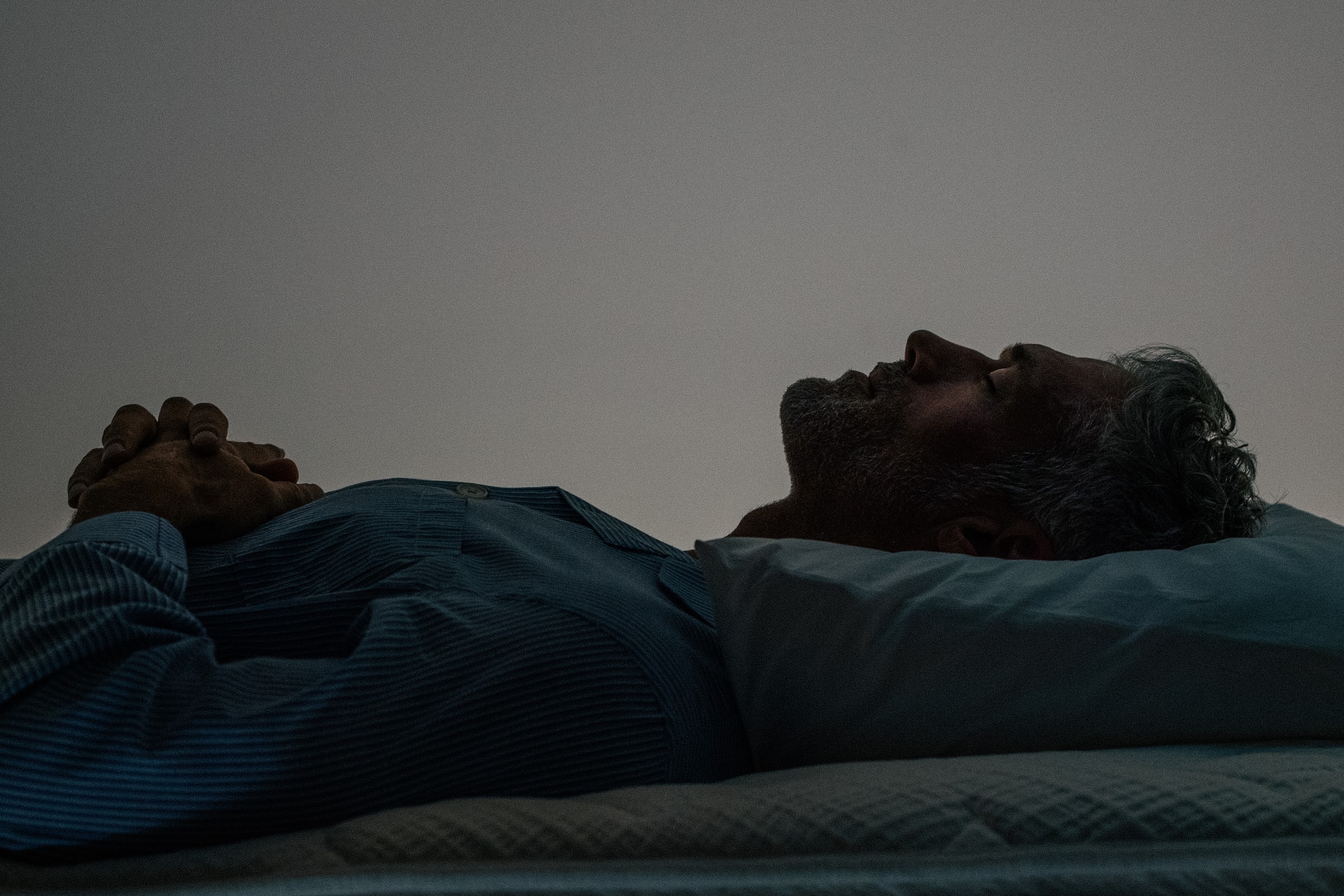
Sleep position strongly affects snoring, because lying on the back lets the tongue and soft tissue relax back into the airway, while side sleeping tends to keep it clear. The relationship is different for every sleeper. Playback shows periods associated with snoring alongside body position through the night, so a person can see it rather than guess at it.
Snoring and sleep position are connected, and for most people the connection is stronger than they realize. Lying flat on the back allows the tongue, soft palate and throat tissue to settle backward under gravity, narrowing the airway and making the vibration that produces snoring more likely. Side sleeping tends to keep that airway clearer. This is well understood in general terms. What is harder to know, without watching a full night, is how it plays out for one particular person, in one particular bed, on one particular night.
Position changes the shape of the airway. On the back, gravity pulls the jaw and tongue toward the throat, and the soft tissue at the back of the mouth can partially block airflow, producing the vibration heard as snoring. On the side, that tissue tends to fall away from the airway rather than into it, which is why side sleeping is so often mentioned as a simple change worth trying. Sleeping face down changes the geometry again, and its effect varies more from person to person. None of this means position is the only factor. Weight, age, congestion, alcohol, and the firmness or contour of the sleep surface all play a part. Position is simply one of the few factors a person can observe and adjust for themselves, which is why it comes up so often.
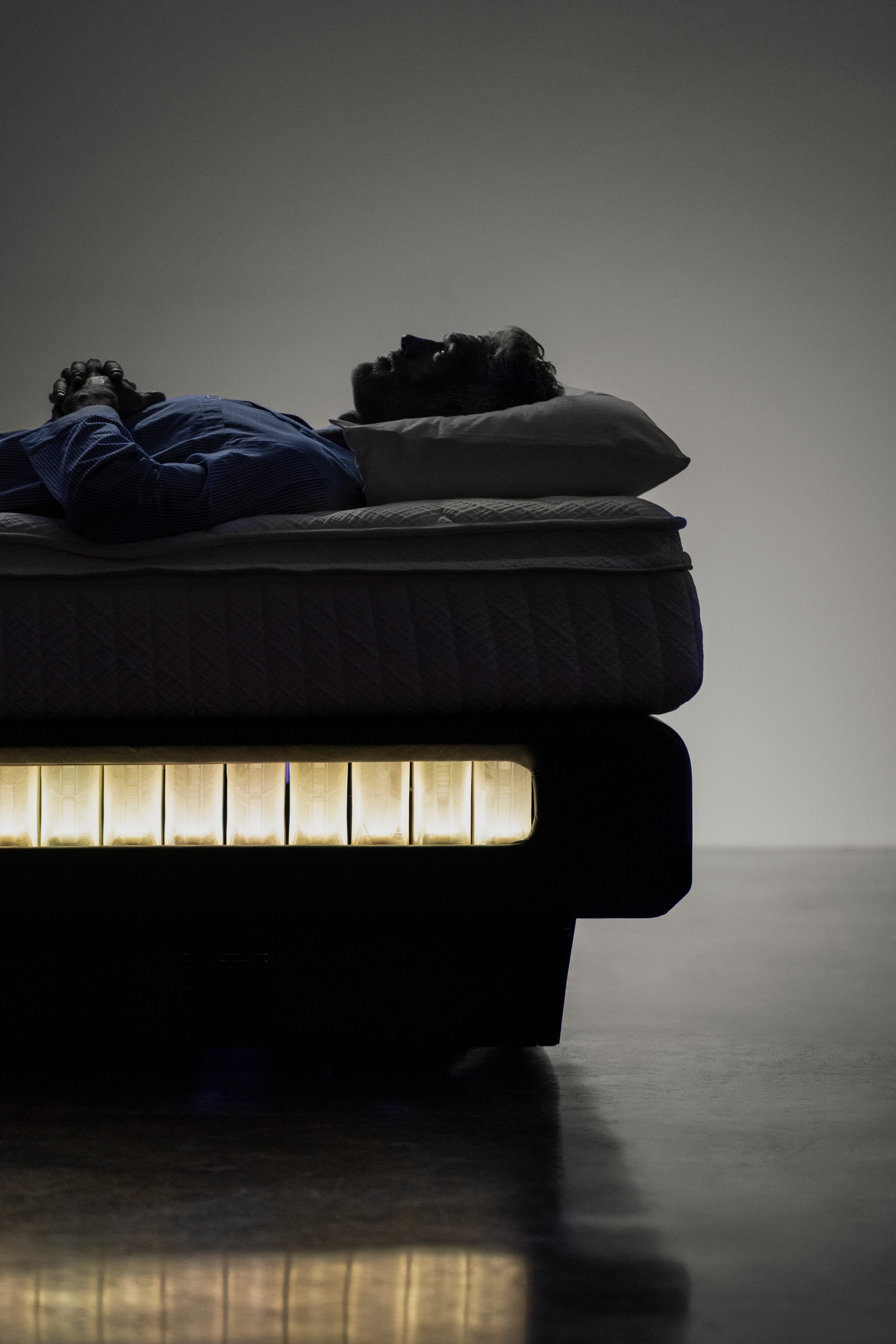
For most people, yes, though the degree varies. Back sleeping is the position most consistently associated with snoring, because it removes the natural support that side sleeping gives the jaw and tongue. Some people snore only on their back and are silent on their side. Others snore in every position, and for them position is only part of the picture. The honest answer is that the pattern has to be observed to be known with any confidence, because self-report is unreliable. A person who snores rarely hears themselves do it, and a partner's account, however well-meant, is a summary rather than a record.
By seeing it, not by asking someone else to remember it. A sleeper can look back and see where snoring was more likely and what position the body was in when it happened. This is what Playback™ is built to show: it presents periods associated with snoring alongside body position through the night, so the two can be seen side by side rather than reconstructed from memory in the morning. There is no need to guess whether last night was a back-sleeping night or a side-sleeping night, or whether the snoring a partner mentioned lined up with a particular stretch of the night. The record shows it.
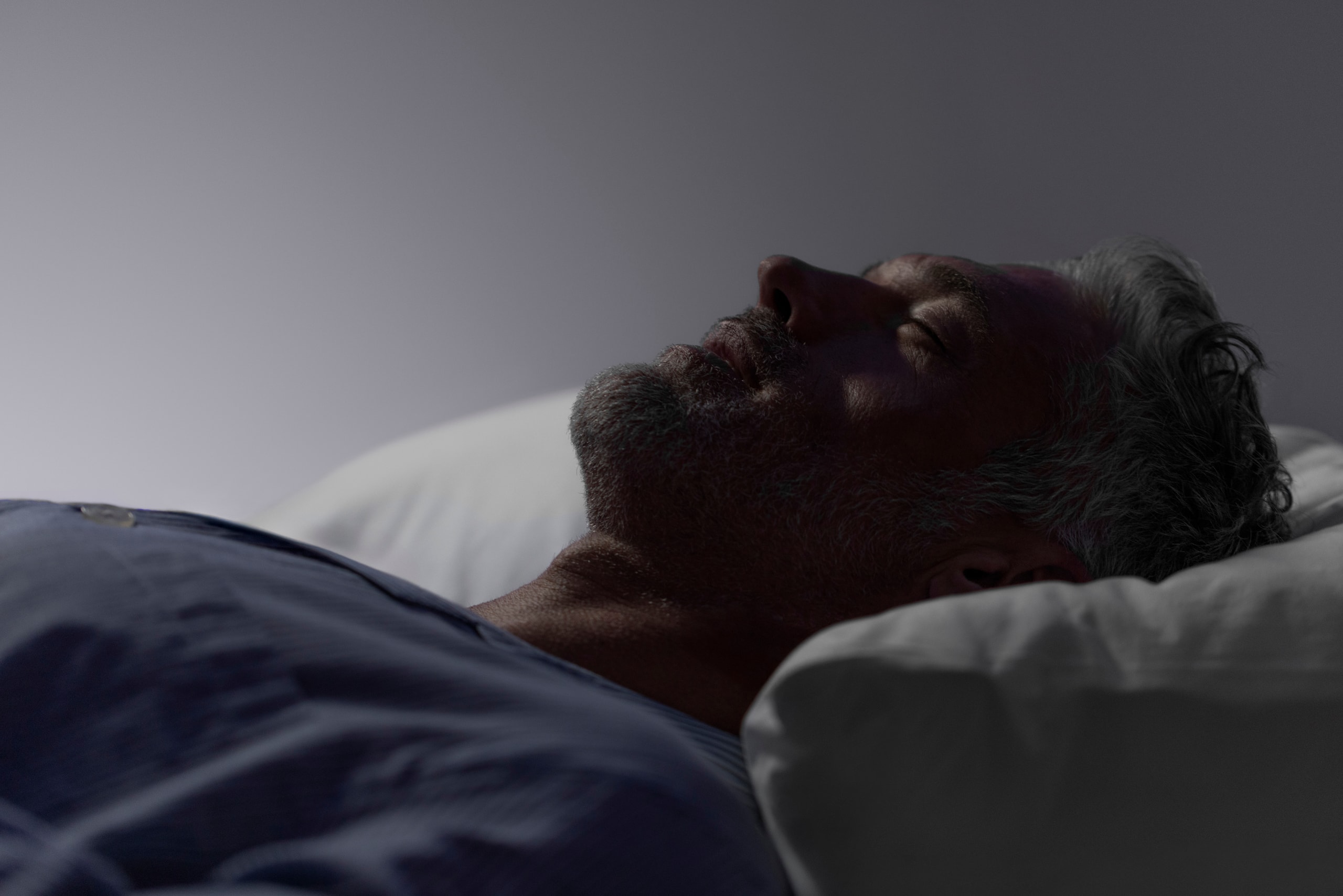
A timeline of the night, with position and snoring-associated periods marked along it. A person can see the stretches spent on the back, the stretches on the side, and where the two coincide with the periods the system associates with snoring. Over several nights, a pattern usually becomes visible: perhaps snoring clusters in the first hour of sleep, when the body has not yet shifted position, or perhaps it appears only after a late roll onto the back in the small hours. Seeing this is different from being told a general rule about backs and sides. It is one person's own record of one body on one system, night after night.
Sometimes, and sometimes not, which is exactly why observation matters more than assumption. For a sleeper whose snoring is closely tied to back sleeping, staying on the side for more of the night may reduce it meaningfully. For a sleeper whose snoring appears across all positions, position is not the main lever, and other factors deserve more attention. Ciridian makes no claim to treat snoring or any condition related to breathing during sleep. What the Sleep System does is show, plainly and specifically, when snoring-associated periods occurred and what position the body was in at the time, so a person can make an informed judgment rather than act on a hunch.
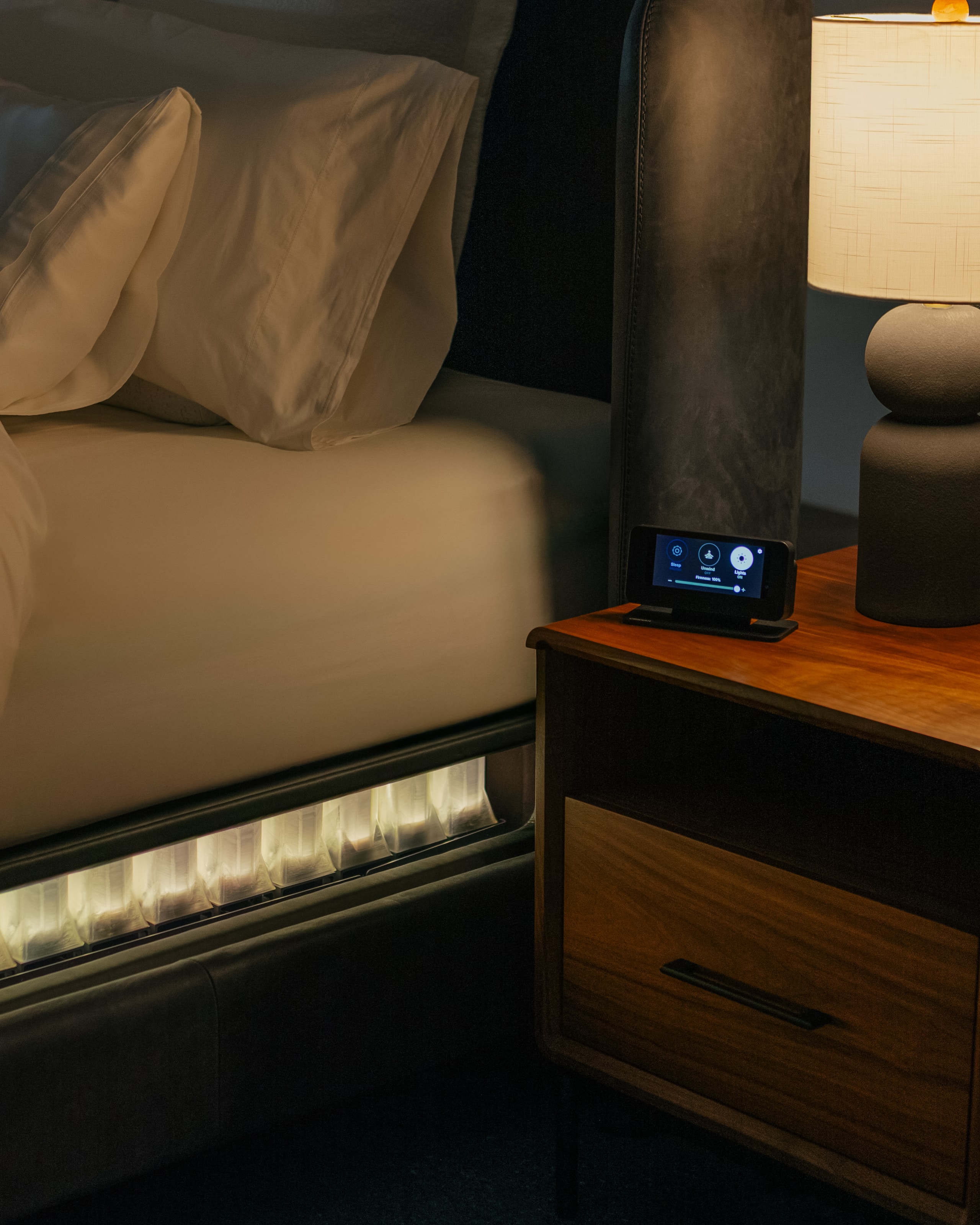
A sleep surface that responds to the body makes it easier to stay in a comfortable position rather than shifting to escape pressure. The Smart Springs beneath a Ciridian™ system are read and adjusted independently, so pressure is distributed according to the shape and weight of the person lying on them at that moment, whether on the back, the side, or in between. This is Intelligent Pressure Relief in practice: a hip or shoulder is not left to press into unyielding support, so a side sleeper is less likely to roll onto the back simply to relieve discomfort. Reducing that kind of restless repositioning is part of what the system is built to do, alongside the dual-zone cooling that keeps the surface temperature steady through the night. None of this changes the physiology of snoring. It does mean that a sleeper's position through the night reflects what feels natural to their body, rather than a series of adjustments made to escape an uncomfortable surface.
At the showroom in Addison, Texas, a visit is arranged by private appointment, and a person can lie on a Sleep System and see how Playback presents a night once recorded. There is no obligation to arrive with firm conclusions about snoring or position. Many visitors come simply wanting to understand what the system shows and how clearly it shows it. The appointment is unhurried, and questions about pricing, delivery, or fit for a particular room are answered plainly and specifically, because those details depend on the system chosen and the space it goes into, and the showroom will confirm them exactly.
Unwind is the word Ciridian uses for what a Sleep System is meant to help a person do at the end of the day, and understanding one's own pattern, snoring included, is part of that. A record of one's own night, seen clearly, tends to be more useful than advice meant for everyone in general.
See it in person. The Ciridian Sleep System is shown by private appointment at the showroom in Addison, Texas. Book a private appointment
Not always. Side sleeping reduces snoring for many people because it keeps the airway clearer than lying on the back, but some people snore in every position. Whether it works depends on the individual, which is why observing one's own pattern over several nights is more reliable than assuming a general rule applies.
A sleep surface does not directly change the physiology of snoring, but a surface that relieves pressure can reduce the restless repositioning that disrupts sleep. Ciridian's Sleep System uses Smart Springs to distribute pressure, which supports a more settled night, though it does not treat snoring or any medical condition.
Position, congestion, alcohol, tiredness and sleep depth can all vary night to night and each affects snoring. Reviewing a recorded night alongside body position, as Playback does, helps identify which of these tends to line up with heavier snoring for a particular person.
Playback presents a timeline of the night showing periods associated with snoring alongside the body's position at the time, so a sleeper can see whether snoring clustered during back sleeping, side sleeping, or occurred regardless of position, based on their own recorded night.