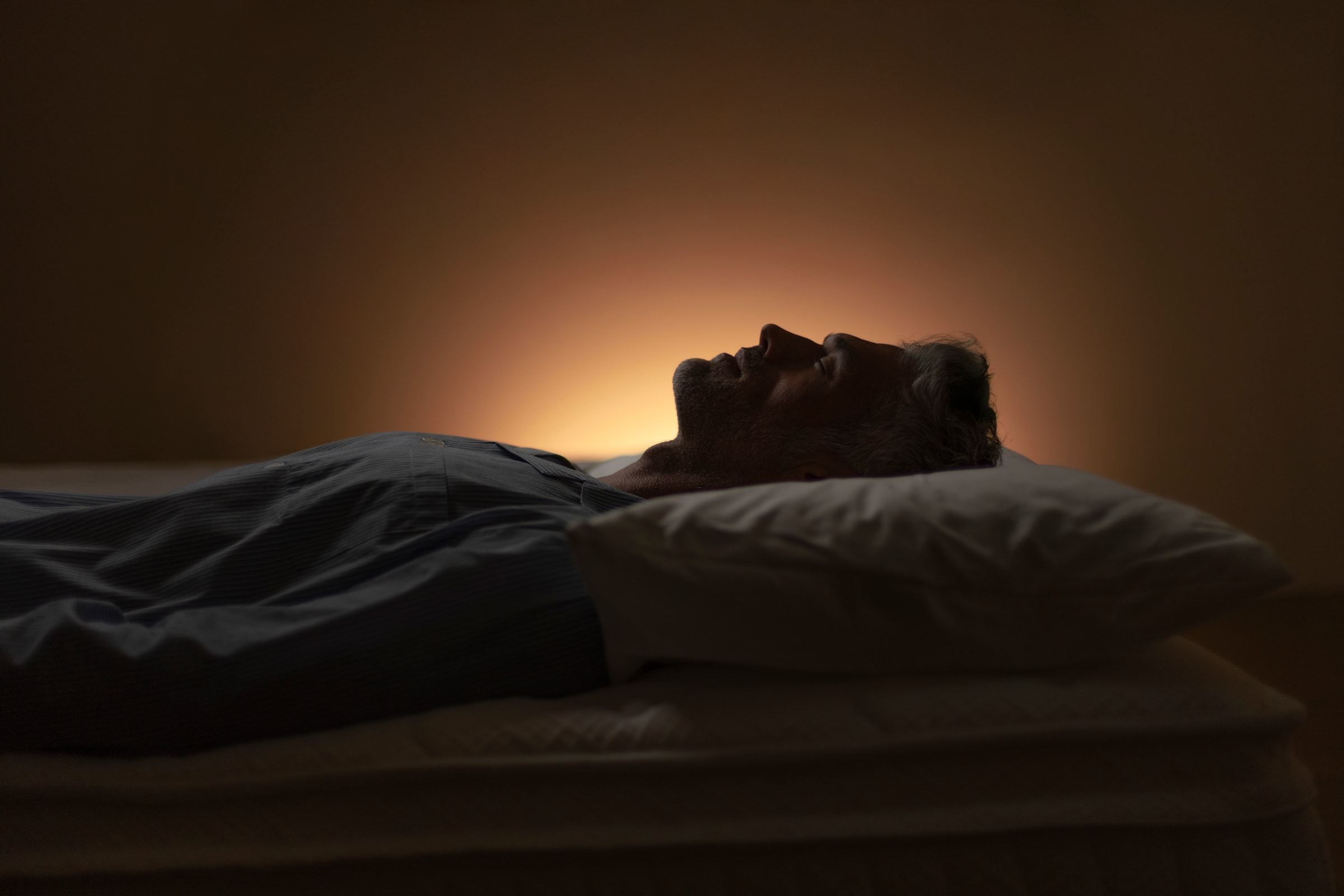
Improving sleep starts with three things: a cool, dark, quiet room, a surface that keeps the spine aligned all night, and continuous pressure relief so the body does not wake itself to relieve numb shoulders or hips. Address the room and the surface together, since neither compensates fully for the other.
To improve sleep a person must understand their environment and their sleep surface. The first is about the room: temperature, light, sound, the things most people already know to fix. The second is about the surface underneath the body, which gets far less attention and matters just as much. A person can control every variable in the room and still sleep poorly on a surface that leaves pressure unrelieved at the shoulders and hips, because the body responds to that pressure by moving, and movement is what breaks up deep and REM sleep.
The environment needs to be cool, dark and quiet, and consistent night to night. A cooler room, generally somewhere in the mid-sixties Fahrenheit, supports the drop in core body temperature that accompanies falling asleep and staying asleep. Darkness matters because light, even small amounts from a screen or a hallway, can delay the onset of sleep. Quiet matters for the same reason movement does: the brain registers disruption even when a person does not fully wake. None of this is complicated, but it is worth treating as a baseline, something to get right before looking at anything else.
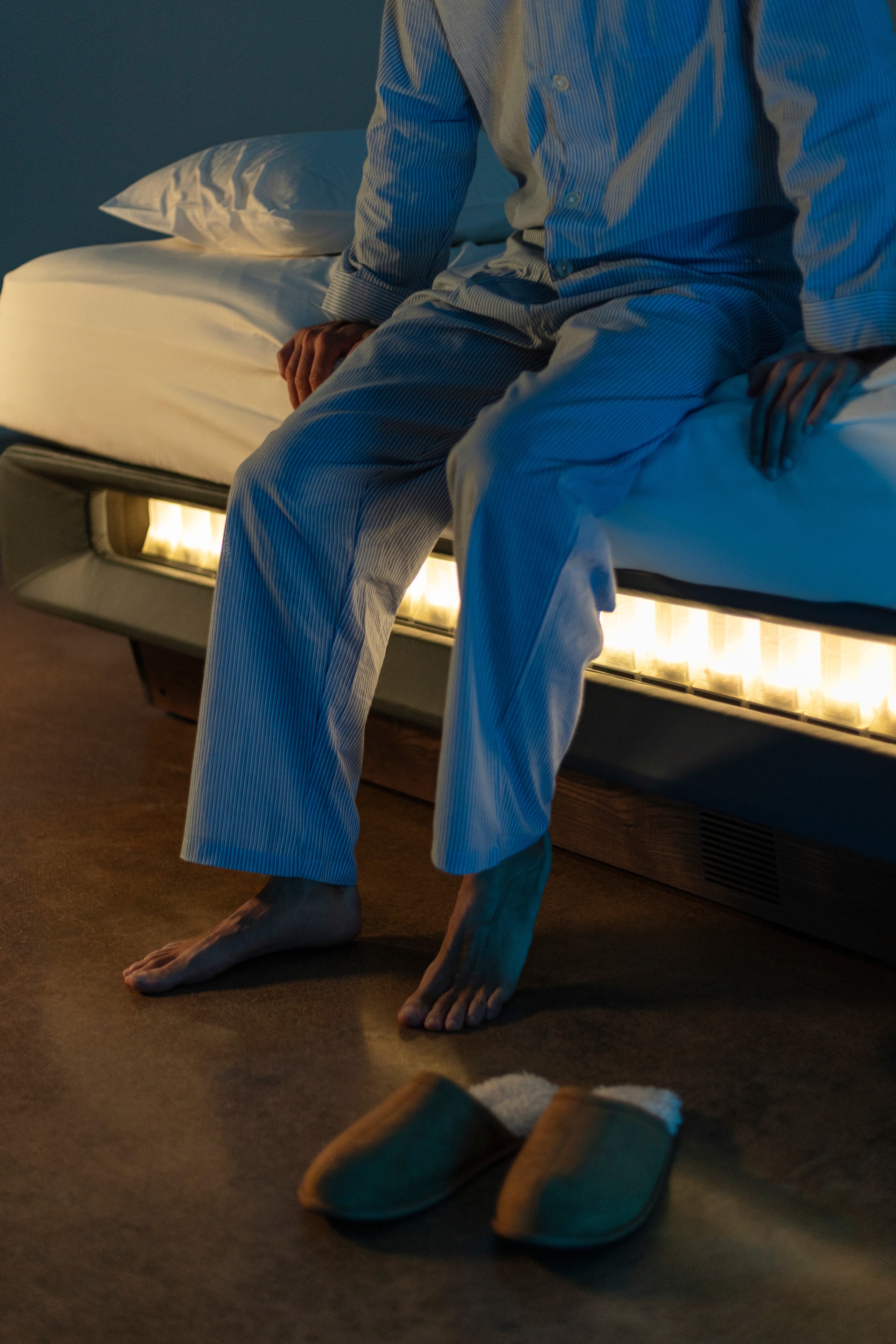
Yes, and for a different reason than most people expect. A room can be perfectly quiet and dark and cool, and a person can still wake repeatedly through the night because the surface beneath them is not relieving pressure at the points where the body presses hardest, typically the shoulders and hips when sleeping on the side. When pressure builds at those points, blood flow is restricted, nerves signal discomfort, and the body shifts position to relieve it. That shift is often brief enough that the sleeper does not remember it in the morning, but it is long enough to interrupt the deeper stages of sleep. A surface that keeps pressure even across the body, and that keeps the spine in a neutral line regardless of position, reduces how often that has to happen.
Continuous pressure relief means the surface is adjusting to the body throughout the night, not just conforming once at the start and holding that shape. Deep sleep and REM sleep both depend on long, uninterrupted stretches, and a surface that only responds to initial pressure will fall out of alignment as a person shifts from back to side or changes position in sleep. This is where Intelligent Pressure Relief becomes relevant as a concept, distinct from any single product: pressure relief that continues to respond in real time, rather than pressure relief that is set once and left alone. A system that reads pressure continuously and adjusts accordingly gives the body less reason to wake itself and move.
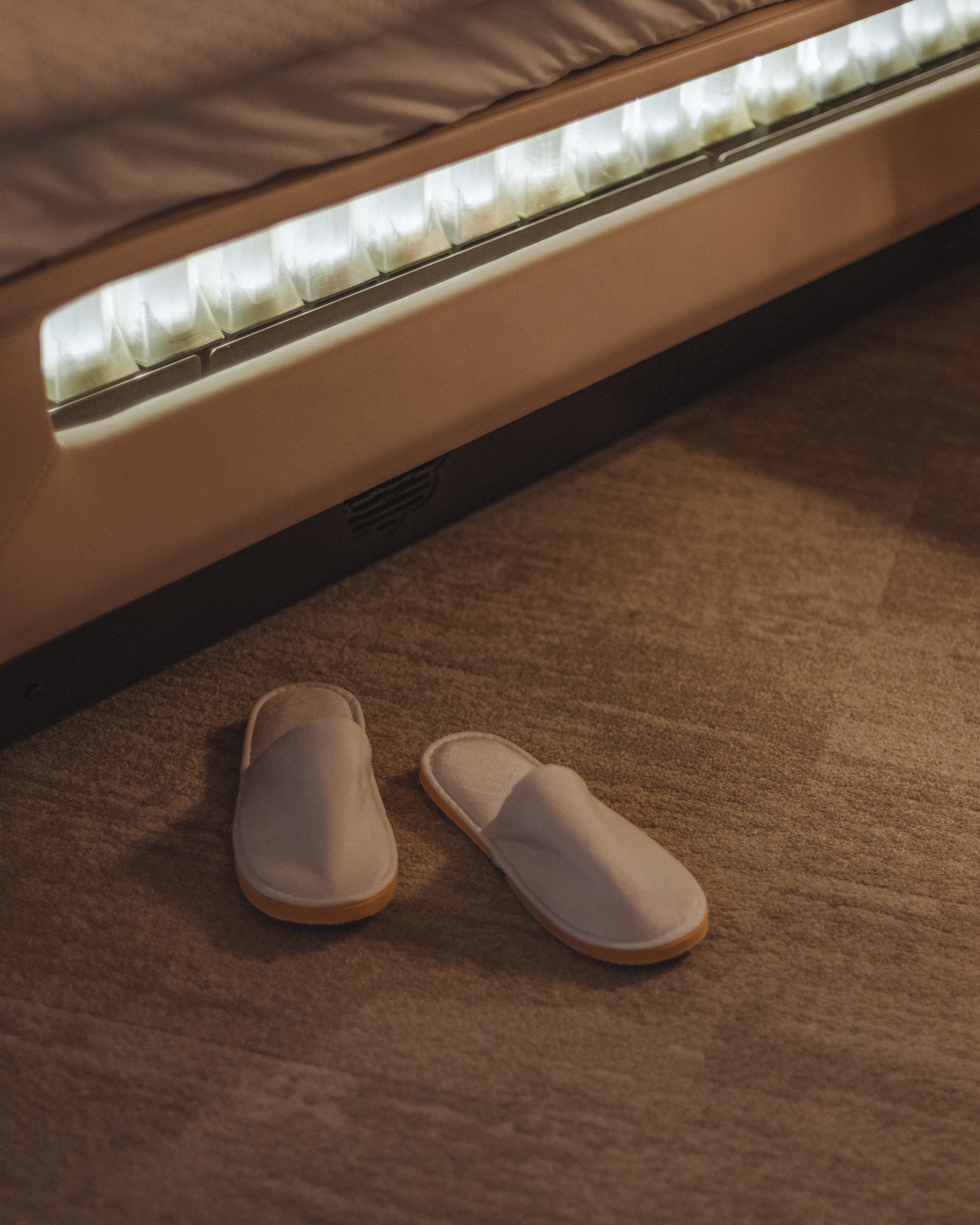
The honest answer is that it depends on how the adjustment works. Air-bladder beds adjust firmness in broad zones, which helps some sleepers but tends to feel uneven, because a bladder either supports a region of the body or it does not; there is no fine gradation within that region. A system built on Smart Springs works differently. Ciridian's Sleep System uses up to 400 independently controlled Smart Springs, each reading pressure and adjusting its own firmness, so support changes point by point across the body rather than zone by zone. This is closer to what continuous pressure relief actually requires: correction at the scale of the individual spring, not the scale of an air chamber.
Cooling matters because body temperature needs to drop for sleep to begin and to stay stable through the night, and a warm sleep surface works against that. Integrated dual-zone cooling addresses this directly by managing temperature at the surface itself, rather than leaving it to the room's air conditioning alone, which struggles to overcome heat retained in dense foam. Two zones also allow a couple to run different temperatures on each side of the system, since it is common for one person to sleep warmer than the other.
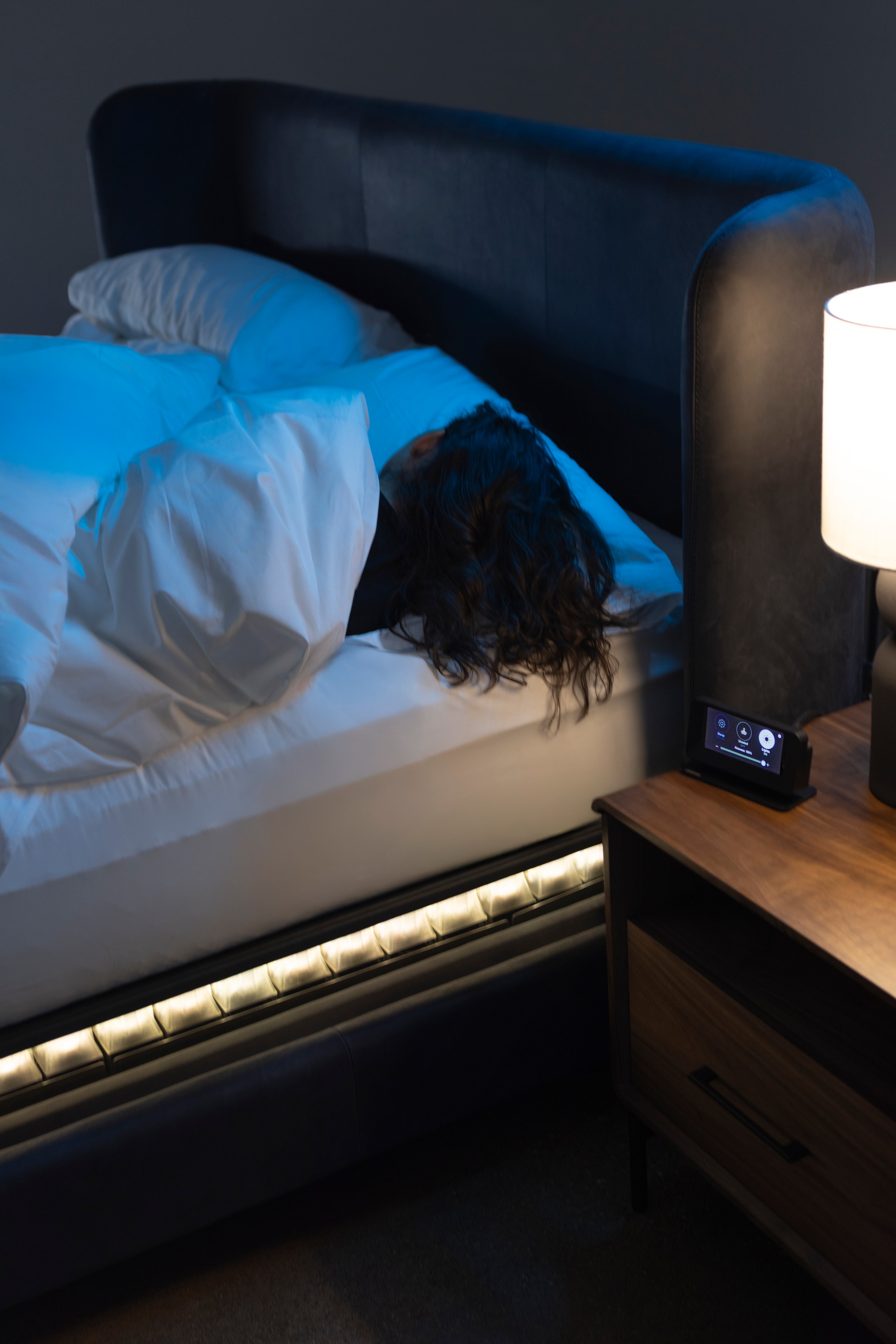
Most people rely on how they feel in the morning, which is honest but imprecise, since memory of a night's sleep is unreliable. Playback™ addresses this by giving a sleeper something to look at rather than only something to recall: a record of how the body moved through the night and how the springs responded to that movement. Seeing fewer position changes, or seeing pressure held evenly across a full night, is a more concrete answer to whether something worked than trying to remember how many times sleep was interrupted.
Start with the room, since it costs nothing and the effect is immediate: darker, cooler, quieter, and consistent. Then look honestly at the surface, since a room correctly managed cannot compensate for a mattress that is failing to relieve pressure. For anyone weighing whether their current mattress is the actual obstacle, an Unwind session, a period of lying on a system and watching it read and respond to pressure in real time, tends to answer the question directly rather than by argument. Ciridian shows its Sleep System by private appointment at its showroom in Addison, Texas, and a fifty-minute visit is enough to see how the springs and cooling behave under an actual body rather than in description.
Improving sleep is not one fix but the sum of several correct, unglamorous decisions: a cool dark room, a consistent schedule, and a surface that keeps working with the body instead of asking the body to keep adjusting to it.
Most people sleep best in a room around the mid-sixties Fahrenheit. Cooler air supports the natural drop in core body temperature that happens as a person falls asleep and helps sustain deeper sleep through the night, rather than causing repeated waking from overheating.
Unrelieved pressure at the shoulders and hips restricts blood flow and prompts the body to shift position to relieve it, and that shifting interrupts deep and REM sleep. Continuous pressure relief reduces how often the body needs to move, allowing longer uninterrupted sleep stages.
It depends on how the system adjusts. Broad air-bladder zones help some sleepers, but a system with individually controlled Smart Springs adjusts point by point across the body, which more closely matches how pressure actually varies from person to person and night to night.
A mattress cannot force deep or REM sleep, but it can remove one of the main reasons those stages are interrupted: unrelieved pressure that causes movement. Reducing that movement gives the body a better chance at sustaining longer, uninterrupted stretches of sleep.