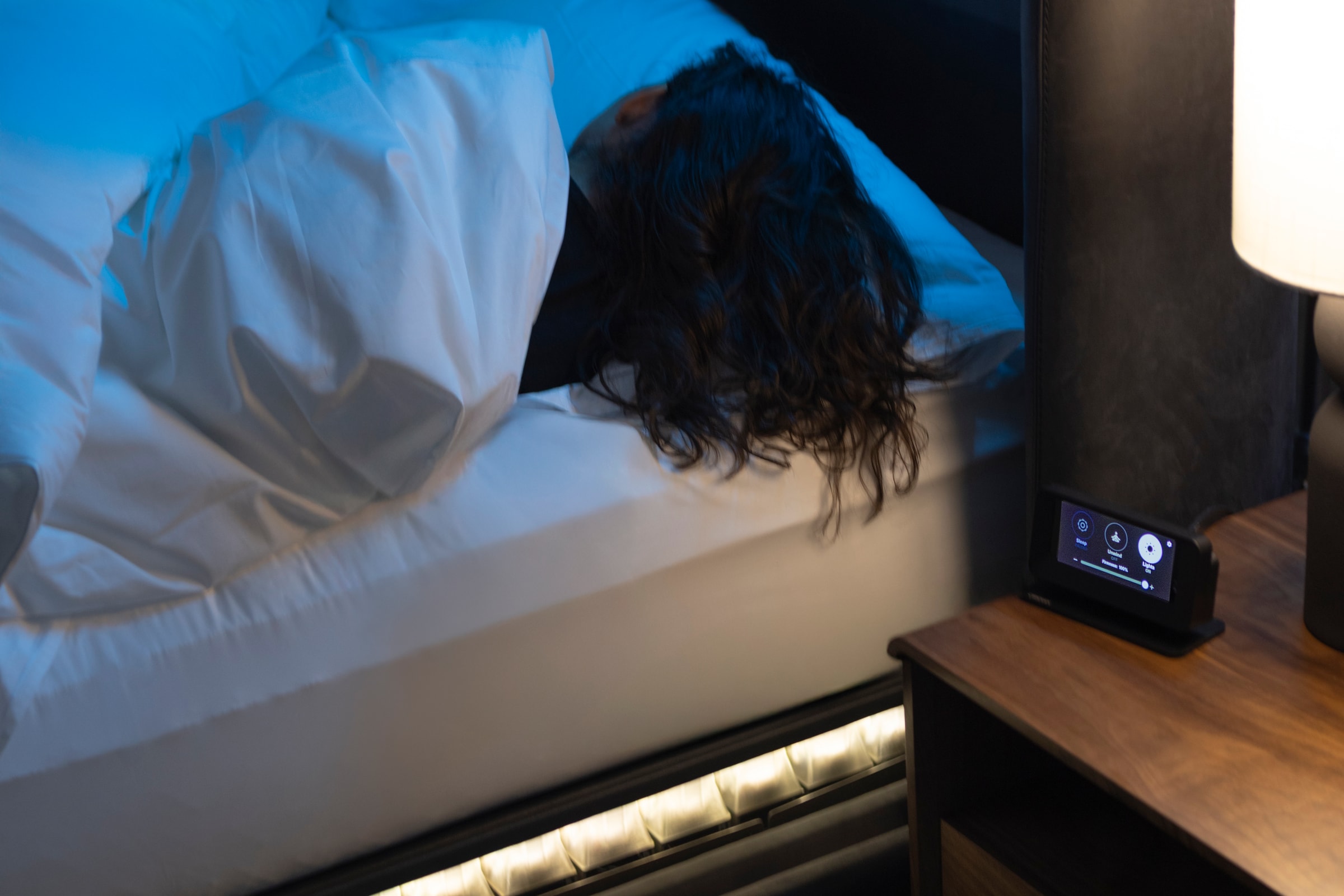
The best bed for side sleepers is one that softens precisely under the hip and shoulder while holding the waist and shoulders in line, so weight is carried without pinching a joint. A surface that adjusts spring by spring, rather than one uniform layer, does this more exactly than foam or an air bladder can.
The best bed for side sleepers is not the softest one. Side sleeping concentrates a person's weight onto two narrow points, the hip and the shoulder, while the waist in between needs to stay supported so the spine does not bow out of line. A surface that is soft everywhere lets the hip sink too far and rolls the spine out of alignment. A surface that is firm everywhere resists the hip and shoulder and creates the ache that side sleepers know well by early morning. What actually answers the problem is a surface that can be soft in one place and firm six inches away, at the same moment, and can keep changing that as the sleeper moves through the night.
Side sleepers feel pressure at the hip and shoulder because those two points carry a disproportionate share of body weight when a person lies on their side, compared with the more even distribution of back or stomach sleeping. On an ordinary mattress, the material under the hip and shoulder cannot soften without the material under the waist also softening by nearly the same amount, since most mattresses respond as a single layer or a small number of zones. The waist then loses support, the spine curves, and the joint under the heaviest point keeps meeting resistance instead of yielding to it. This is the pressure a side sleeper feels as an ache in the hip or a dead-arm feeling in the shoulder, and it is a common reason for turning over repeatedly through the night.
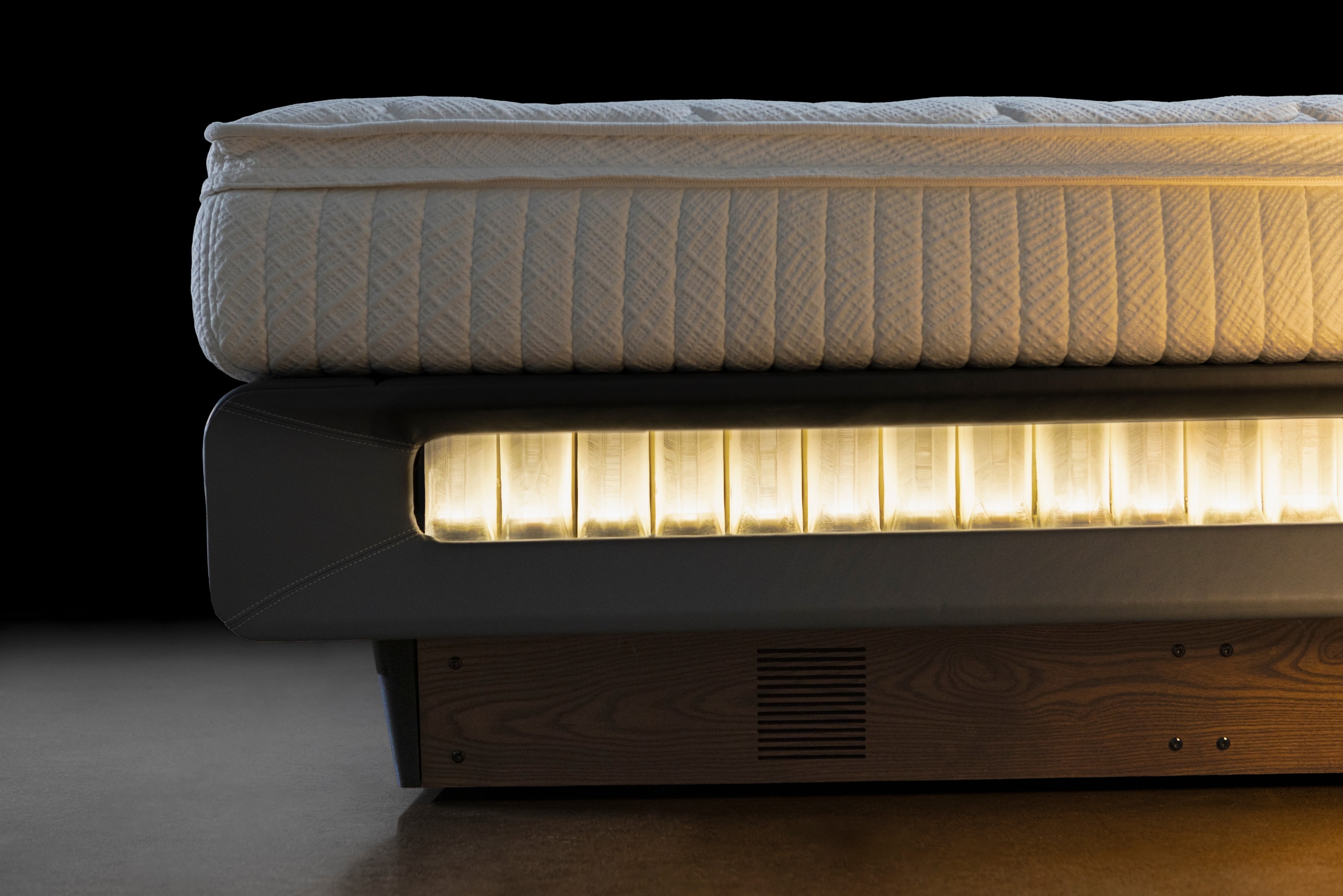
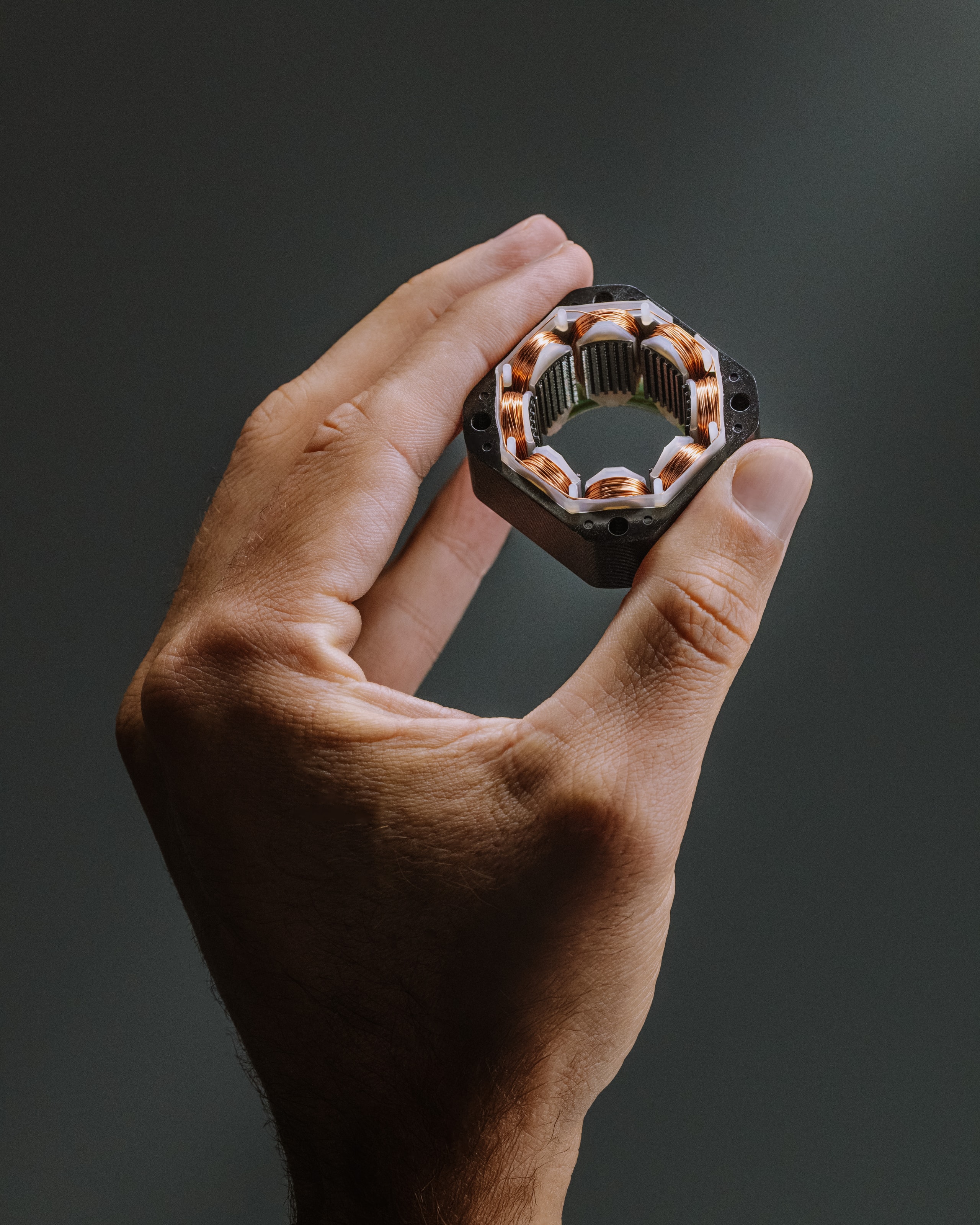
A Ciridian™ Sleep System relieves that pressure by adjusting support spring by spring rather than layer by layer. Each system holds up to four hundred independently controlled Smart Springs, and each spring reads the pressure directly above it and sets its own firmness in response. Under a side sleeper's hip, the springs soften to let the joint settle rather than press back against it. A few inches away, under the waist, neighboring springs hold firm enough to keep the spine level between shoulder and hip. This is Intelligent Pressure Relief: not a softer mattress overall, but a surface that is exact about where it gives and where it holds, adjusted to the shape of one particular body rather than to an average.
Because the springs are read and adjusted continuously, this support is not fixed to a single sleeping position. A side sleeper who shifts onto their back, or turns from the left side to the right, meets a surface that has already reset around the new distribution of weight. Real metal springs are doing this work, not an air bladder inflating and deflating on a delay. The response is immediate, felt as the surface meeting the body rather than the body settling into a shape and waiting for the mattress to catch up.
Neither a firmer nor a softer mattress on its own helps a side sleeper as much as a mattress that varies its firmness by location. Firmness described as a single number, soft, medium or firm, describes an average across the whole sleeping surface, and a side sleeper's hip and waist need two different answers at the same time. A system built on independently controlled Smart Springs is not one firmness. It is as many firmness settings as there are springs beneath the body, each reading its own patch of pressure. This is why the more useful question for a side sleeper is not how firm the mattress is, but how finely it can vary firmness across the surface, and how quickly it adjusts as the body moves.
A side sleeper on a Ciridian system typically notices two things: less pressure at the hip and shoulder at the point of lying down, and less need to turn over to escape an ache partway through the night. Tossing and turning is often not restlessness in the sense of an anxious mind, but the body's response to a joint under too much pressure for too long. When the hip and shoulder are supported rather than resisted, there is less reason for the body to interrupt itself, and the deep and REM sleep that this tossing and turning tends to break up have more room to continue.
Dual-zone cooling is built into the system as well, which matters for side sleepers in particular because a shoulder or hip pressed into a surface for hours generates local heat that a person notices as sticky or restless sleep, distinct from pressure itself. The cooling addresses that directly, so warmth does not compound the discomfort that uneven support would otherwise cause.
Yes. Playback™ Sleep Intelligence records how a sleeper's body moved through the night and how the springs responded underneath them, and lets the sleeper review it the next day. For a side sleeper, this typically shows where pressure concentrated, how the springs adjusted at the hip and shoulder, and how much movement there was compared with a night before or after a change in the room, the pillow, or the sleeping position. Rather than reporting a mood on waking, Playback shows the mechanics of the night directly, and over time a sleeper can see whether pressure points are being met consistently.
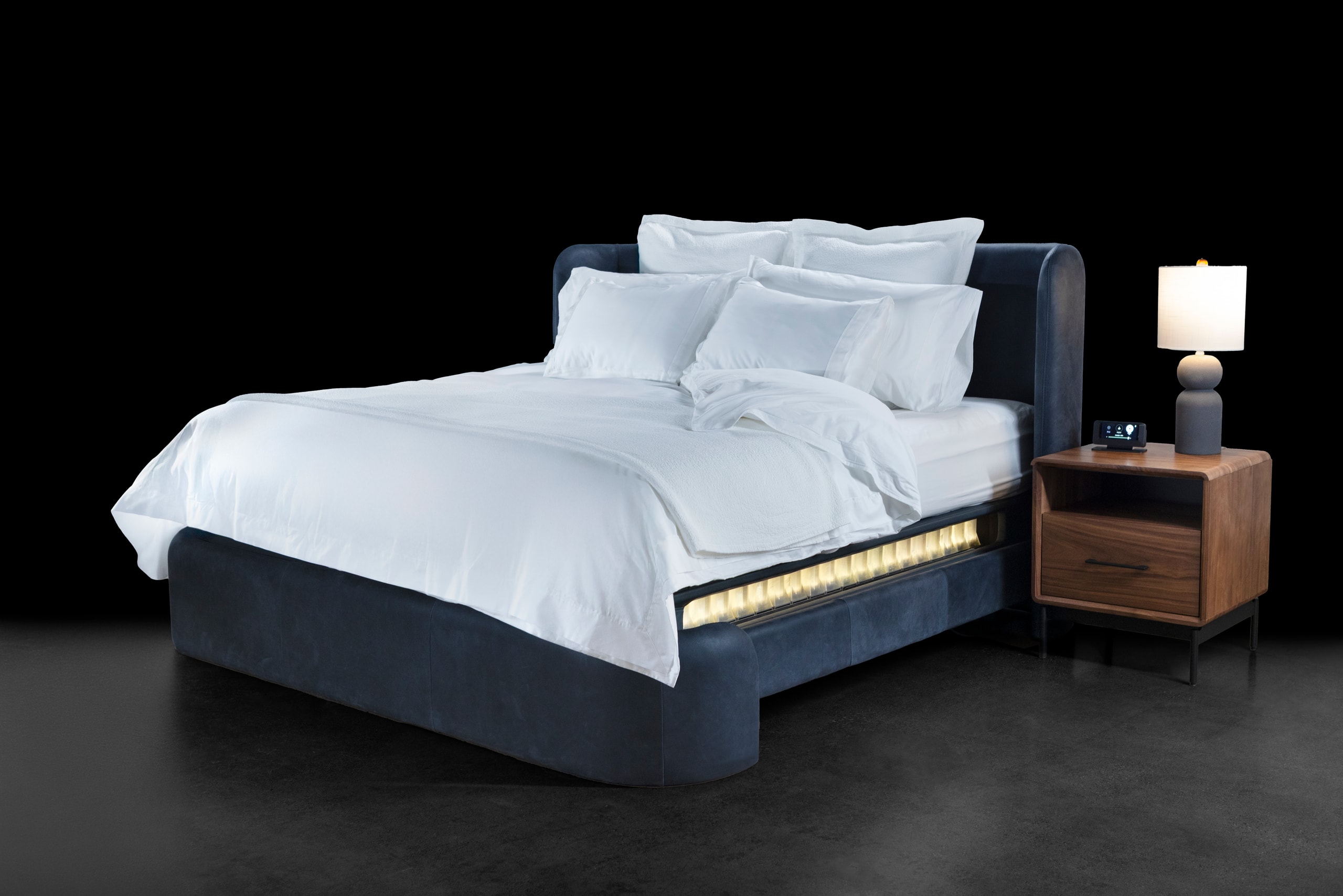
Size and fit depend on the sleeper's height, the room, and whether the bed is shared, and these questions are worked through in person rather than guessed at from a chart. A side sleeper drawn up with knees bent takes up less linear length than a back sleeper fully extended, but shoulder and hip width still call for enough surface to turn freely without a partner's motion being felt across the bed. Ciridian systems are shown by private appointment at the Addison, Texas showroom, where a person lies on the system directly and can feel how it reads and adjusts under the hip and shoulder before any decision is made. Pricing depends on the system and the room, and the showroom will confirm specifics; models start under fifty thousand dollars.
There is no single best firmness for side sleepers, because the hip and waist need different levels of support at the same time. A surface that varies firmness by location, softening under the hip and shoulder while holding the waist level, answers this better than any one firmness setting can.
Hip discomfort in side sleepers usually comes from a mattress that cannot soften enough under the hip without also losing support at the waist, so the joint meets resistance for hours at a stretch. A surface that adjusts precisely under the hip while holding the waist in line reduces this.
Not exactly. A softer mattress overall can relieve the hip but let the spine sag out of line at the waist. What helps more is localized softness at the hip and shoulder paired with firmer support at the waist, which a single firmness setting cannot provide.
A regular mattress responds as one layer or a few zones, so the hip and waist are treated nearly alike. A system with hundreds of independently controlled springs reads pressure at each point and adjusts firmness there directly, which suits the uneven weight distribution of side sleeping.